
Carbohydrates and Insulin Response
Published February 2026
Educational Note: This article explains scientific concepts about carbohydrates and metabolic responses. It is not personalised advice. Consult a healthcare professional for guidance related to your individual situation.
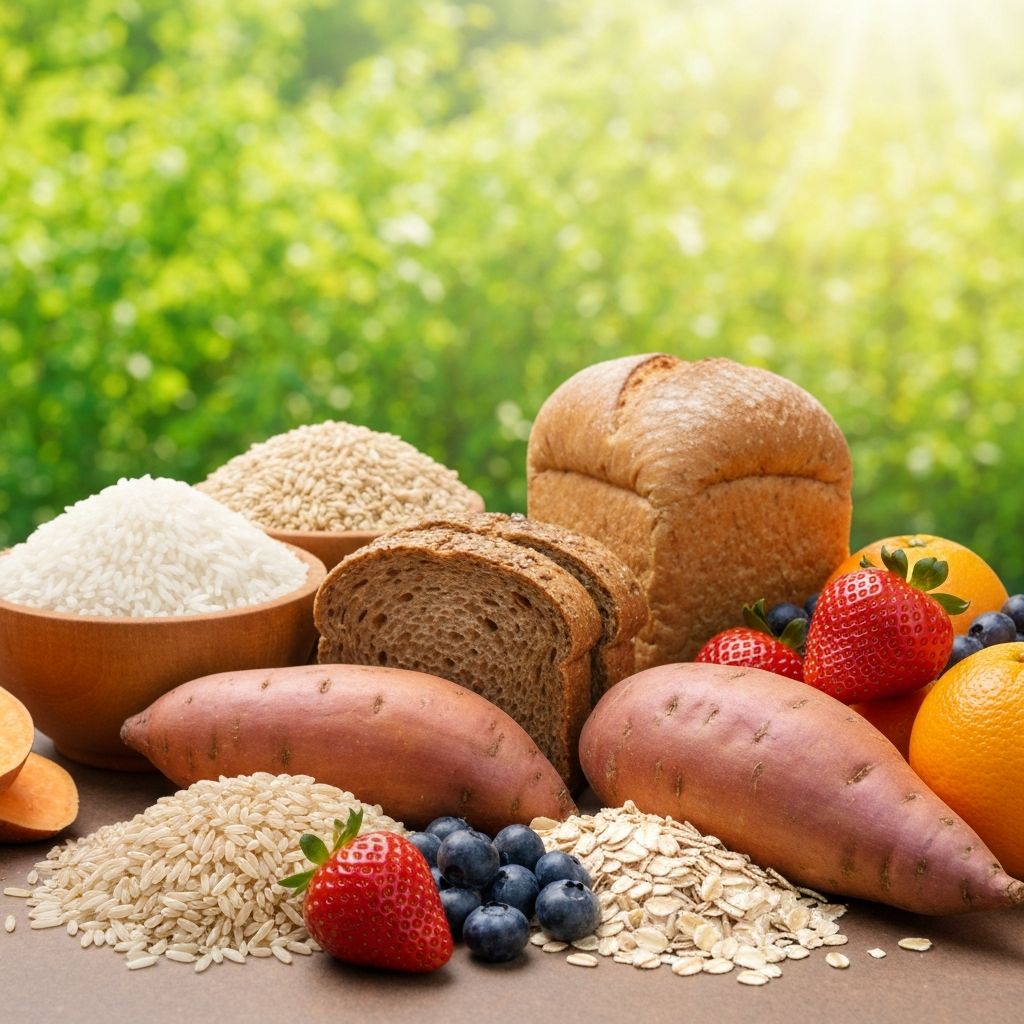
Introduction
Carbohydrates are the body's preferred fuel source, providing energy for brain function, muscle contraction, and countless cellular processes. When carbohydrates are consumed, they are broken down into glucose, which enters the bloodstream. The body then releases insulin—a hormone that regulates glucose transport into cells. Understanding how different carbohydrates affect insulin and glucose responses provides scientific context for nutritional choices.
The Glycaemic Response
The glycaemic response is how quickly and to what degree a food raises blood glucose levels. Different carbohydrate sources produce different responses based on their composition, fibre content, and food matrix. Refined carbohydrates typically produce faster, more dramatic glucose spikes, whilst whole foods and those containing fibre generally produce more gradual increases.
Types of Carbohydrates
Simple Carbohydrates
Simple carbohydrates include sugars like glucose, fructose, and sucrose. These are rapidly absorbed and produce quick increases in blood glucose.
Complex Carbohydrates
Complex carbohydrates include starches and glycogen. These are composed of many glucose units and are generally absorbed more slowly, particularly when intact cell structures remain (as in whole grains and legumes).
Fibre
As discussed previously, fibre slows carbohydrate absorption and moderates glucose response. The presence of fibre is one reason whole foods often produce more moderate metabolic responses than refined alternatives.
Insulin's Metabolic Role
Insulin serves multiple functions beyond glucose management. It promotes glucose uptake into muscle and fat cells, stimulates glycogen synthesis, facilitates protein synthesis, and inhibits fat breakdown. Insulin is an essential hormone for nutrient storage and utilisation. The concept that insulin elevation is inherently harmful is not supported by metabolic science—insulin plays necessary physiological roles.
The Glycaemic Index and Load
The Glycaemic Index (GI) measures how quickly a carbohydrate-containing food raises blood glucose compared to pure glucose. The Glycaemic Load (GL) adjusts GI for portion size. These tools provide a way to compare the relative glycaemic impact of different foods, though they don't capture the full nutritional picture.
Food Combinations and Metabolic Response
The presence of protein, fat, and fibre affects how quickly carbohydrates are absorbed and processed. Consuming carbohydrates with protein and fat slows absorption and produces a more moderate glucose response compared to carbohydrates alone. This is one reason whole-food meals typically produce more moderate metabolic responses than isolated carbohydrates.
Individual Variation
Individual responses to identical carbohydrate sources can vary significantly based on genetics, gut microbiota composition, current insulin sensitivity, and other factors. This underscores the importance of understanding general principles rather than viewing dietary advice as universally applicable.
Conclusion
Carbohydrates affect blood glucose and insulin levels, with the magnitude and timing of the response varying based on the carbohydrate type and food composition. Understanding these relationships provides scientific context for why whole foods and dietary variety are emphasised. Insulin itself is not harmful; it is an essential hormone for normal metabolism.